
Pelican Photograpy in Greece
Note: all images enlarge when clicked; the full-screen view is scaled to 1200px.
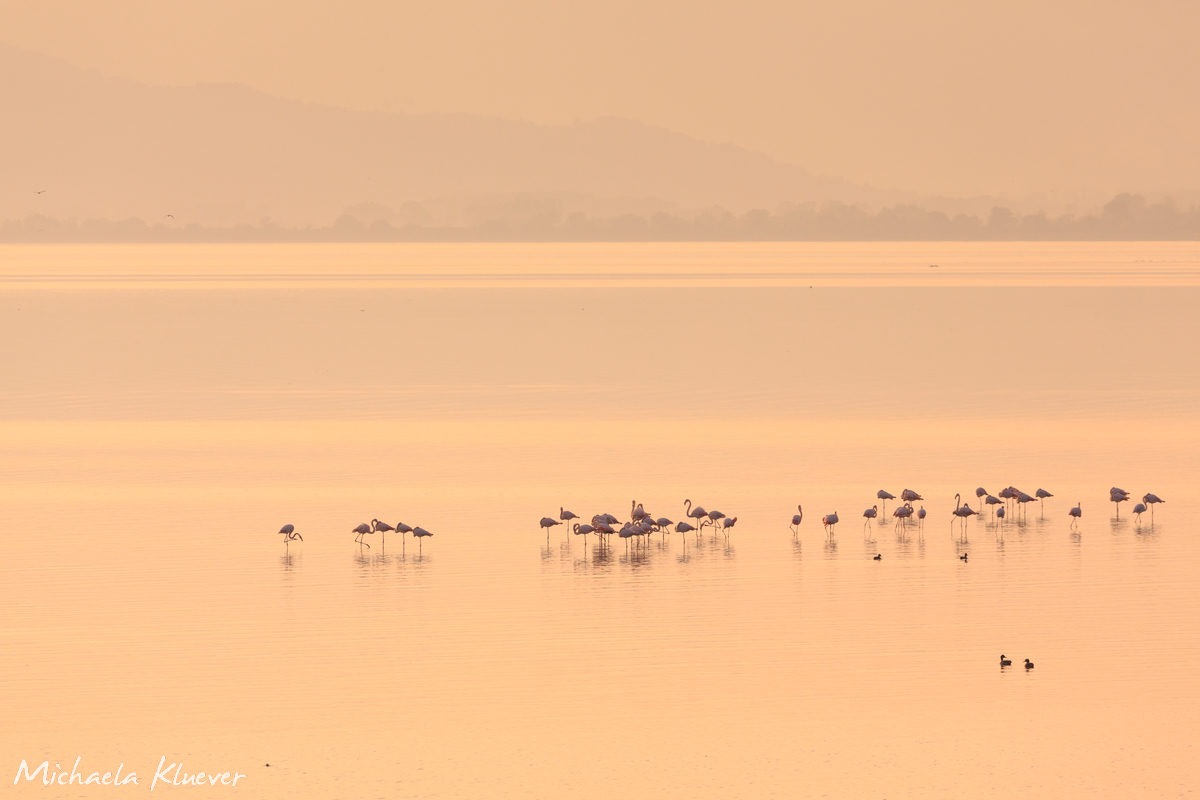
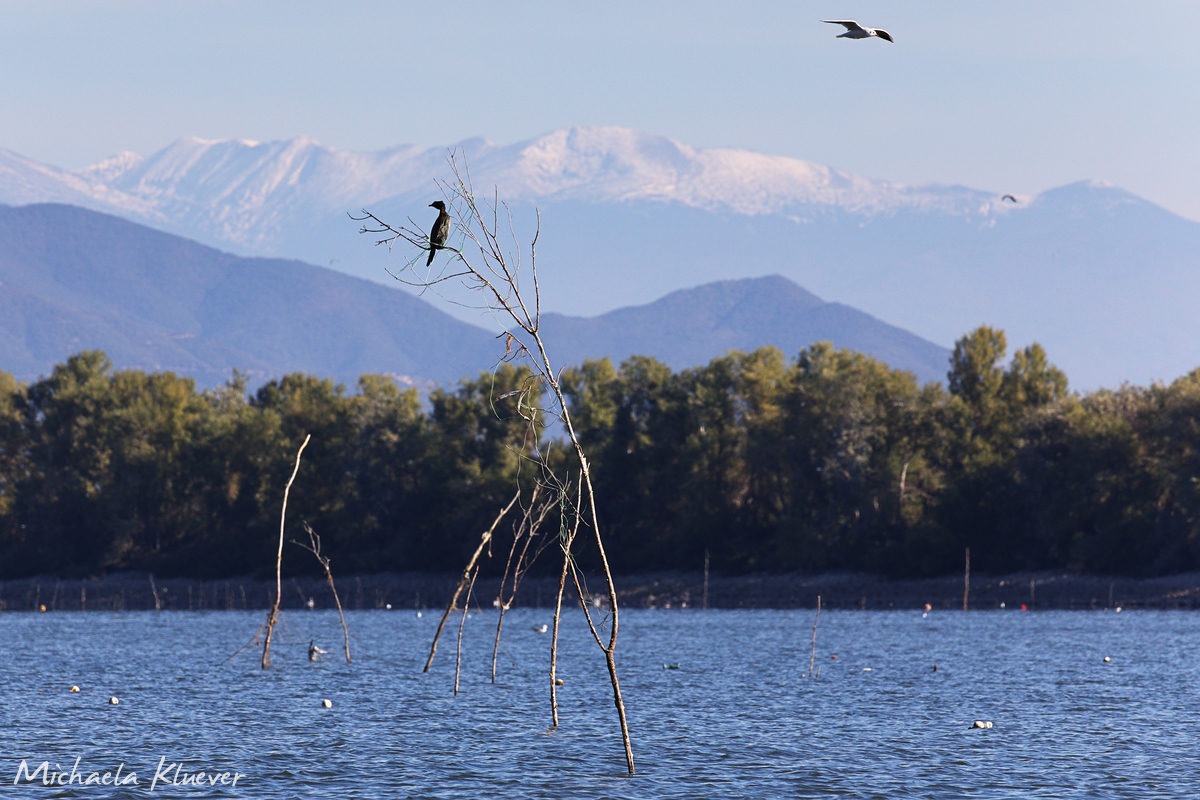
Twelve years ago, I visited Lake Kerkini in northern Greece for the first time. The Dalmatian pelicans ( Pelecanus crispus ) that inhabit this fish-rich lake attract wildlife photographers from around the world every year. Since Caron Steeles’ wonderful “Dancing on Ice” winning photo of the Bird Photographer of the Year 2019 contest, the lake is certainly no longer a hidden gem. This October, I went there again. Numerous flamingos, grey and great egrets, black-headed gulls, cormorants, coots, great crested grebes, various duck species, and several crested larks were already present during my first walk along the shore. And that’s just a small facet of the lake’s rich avifauna, which boasts around 300 species. A comprehensive species list – which, of course, varies seasonally – can be found at Birdingplaces.eu .
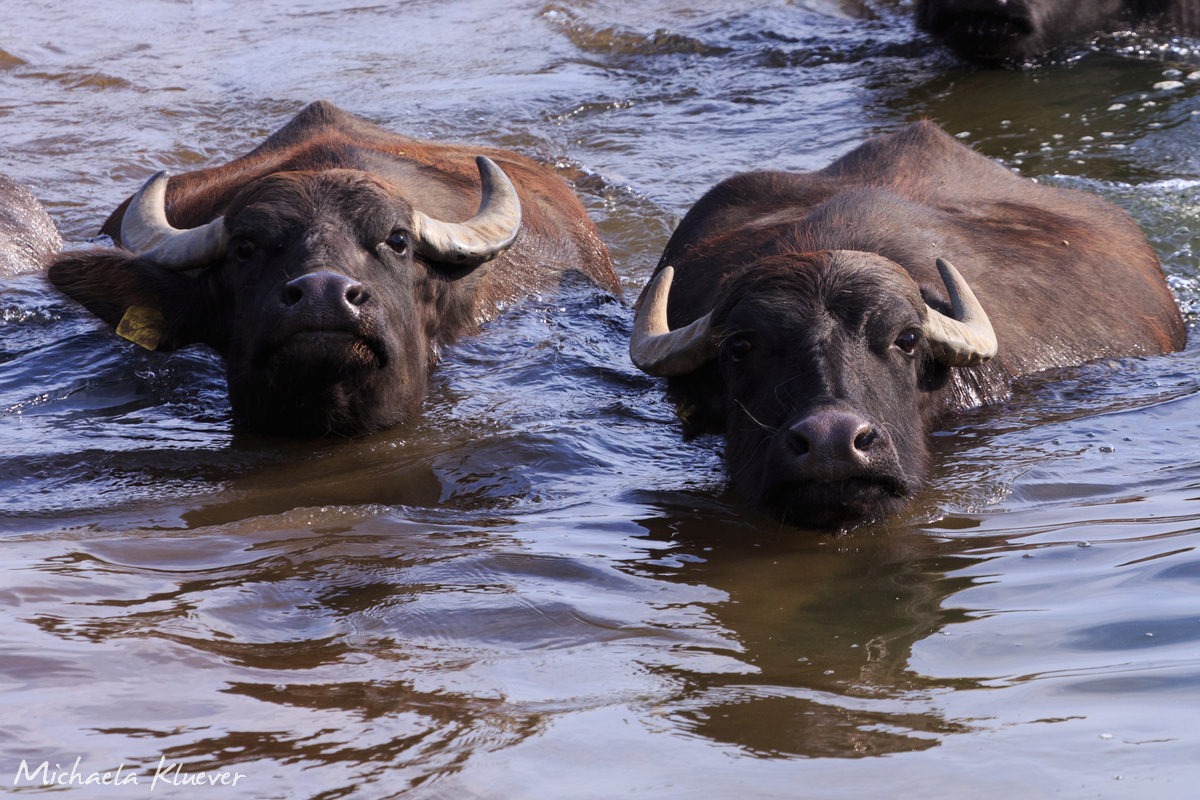
During my second visit to Lake Kerkini several years ago, another photographic subject joined my already great enthusiasm: the large, dark water buffalo of the region. The absolute highlight: being allowed to accompany a grazing herd and their owner as they moved the animals to another pasture. Unforgettable was the moment when the animals entered the water and swam towards us. I wrote about this impressive
water buffalo encounter on my photo travel blog.
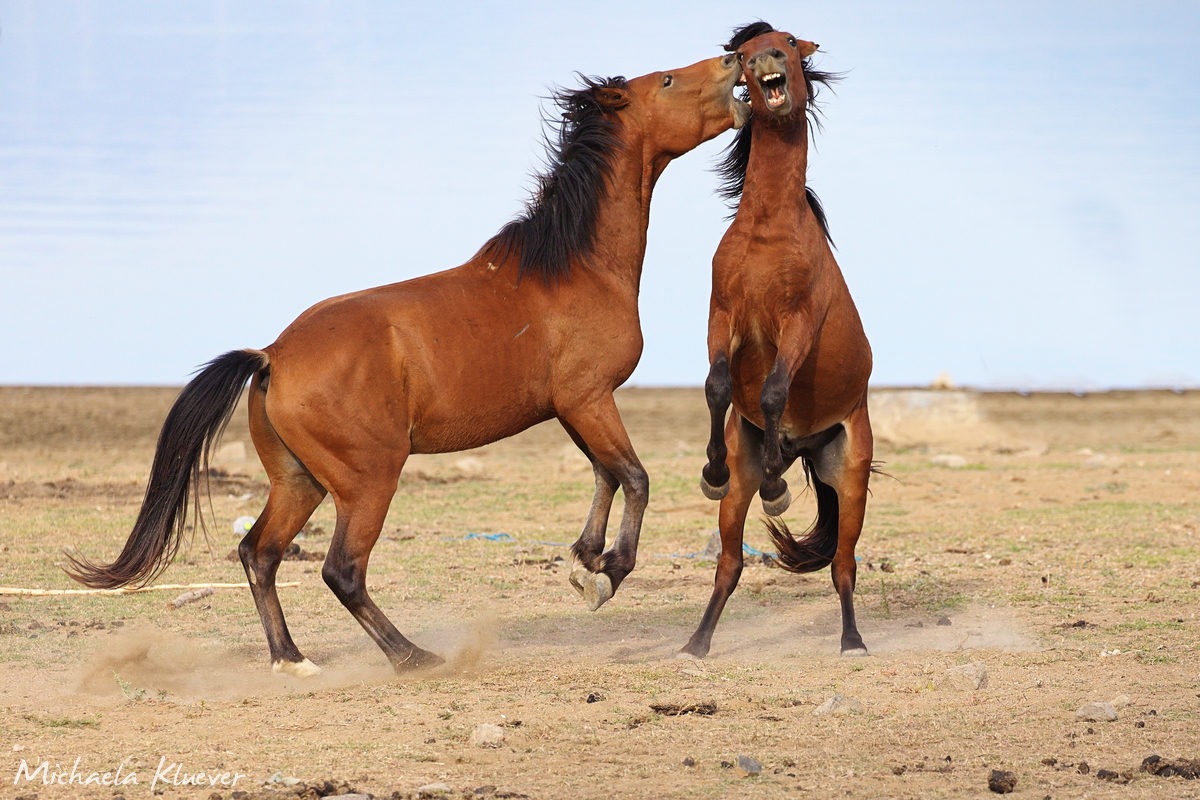
This year I came with the idea to learn more about interactions within pelican groups. And, of course, to capture some scenes with my camera. Before things really got going with the pelicans, I spotted a herd of water buffalo by the lake again, and on top of that, a large number of grazing horses. Wild? Temporarily free-roaming? Probably the latter. Two of these horses seemed to be negotiating something. It certainly looked quite wild. Dust swirled in the golden evening light beneath their hooves – a thrilling sight.
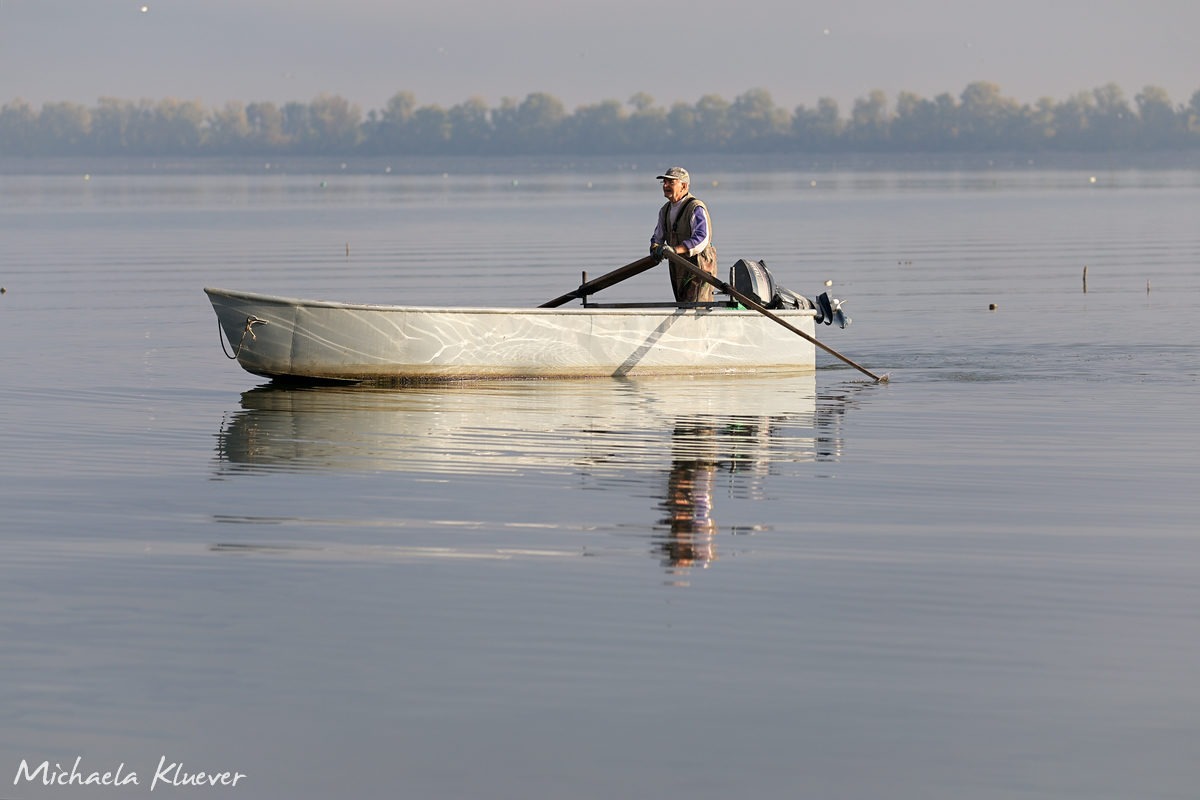
As on previous occasions, I had arranged to meet a fisherman at the lake. I had asked if I could join him while bringing in the nets. He allowed me to go outwith him!
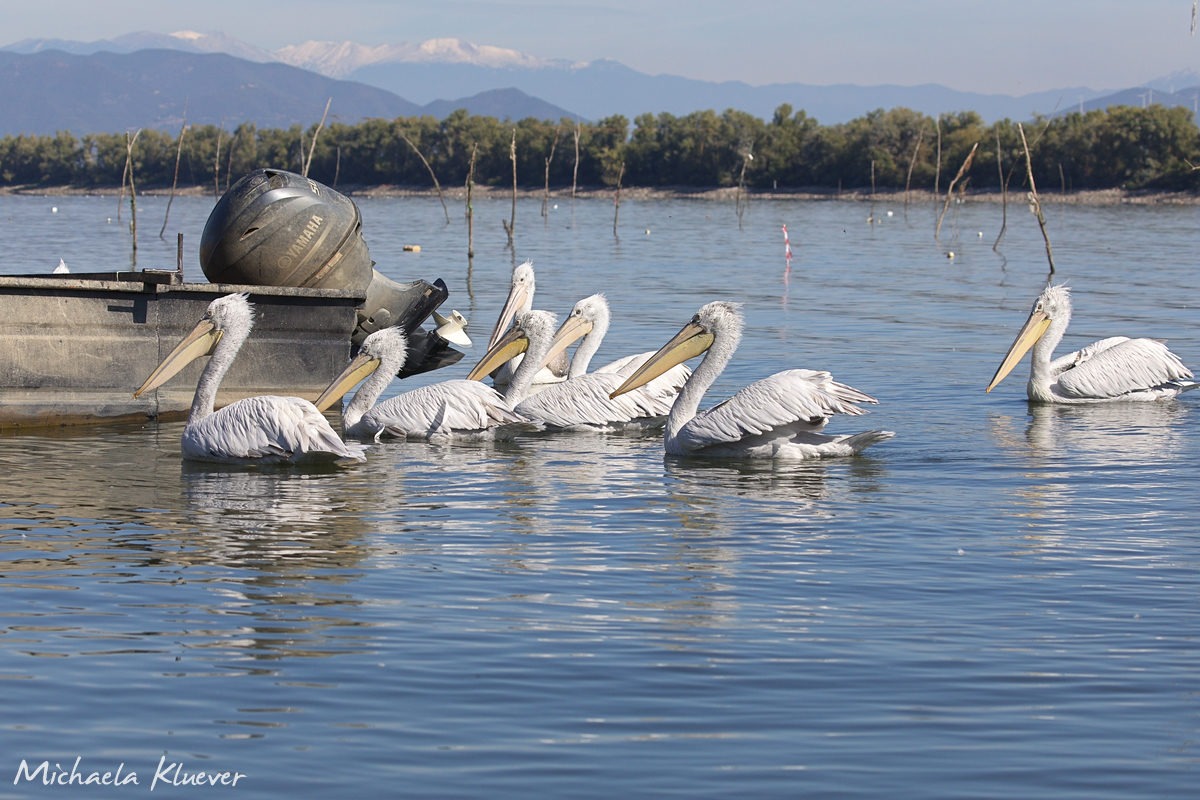
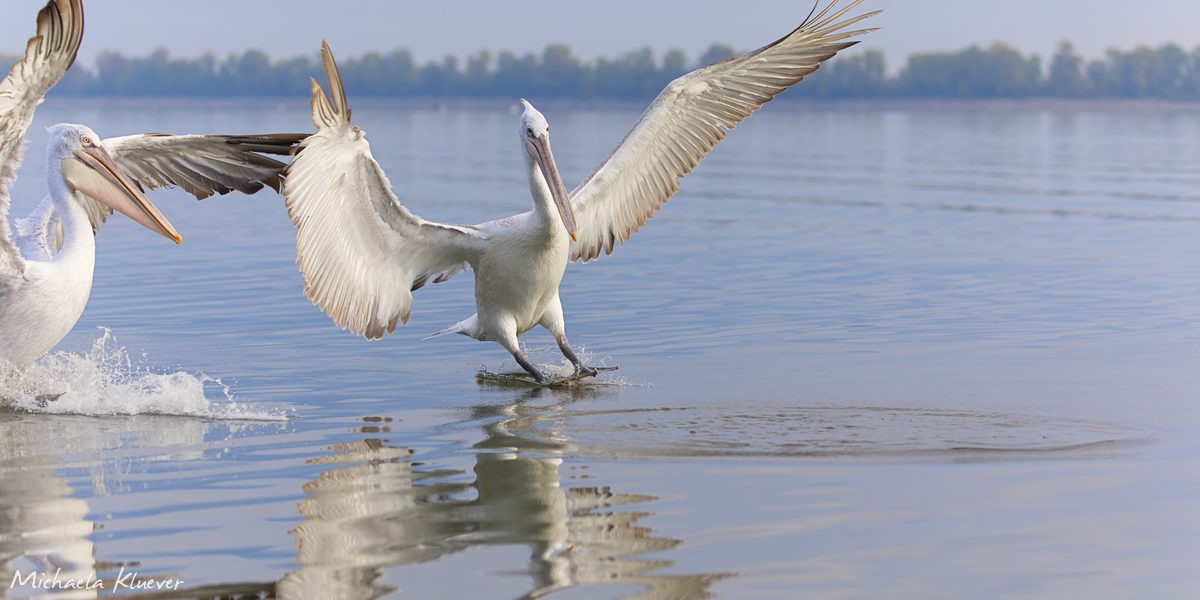
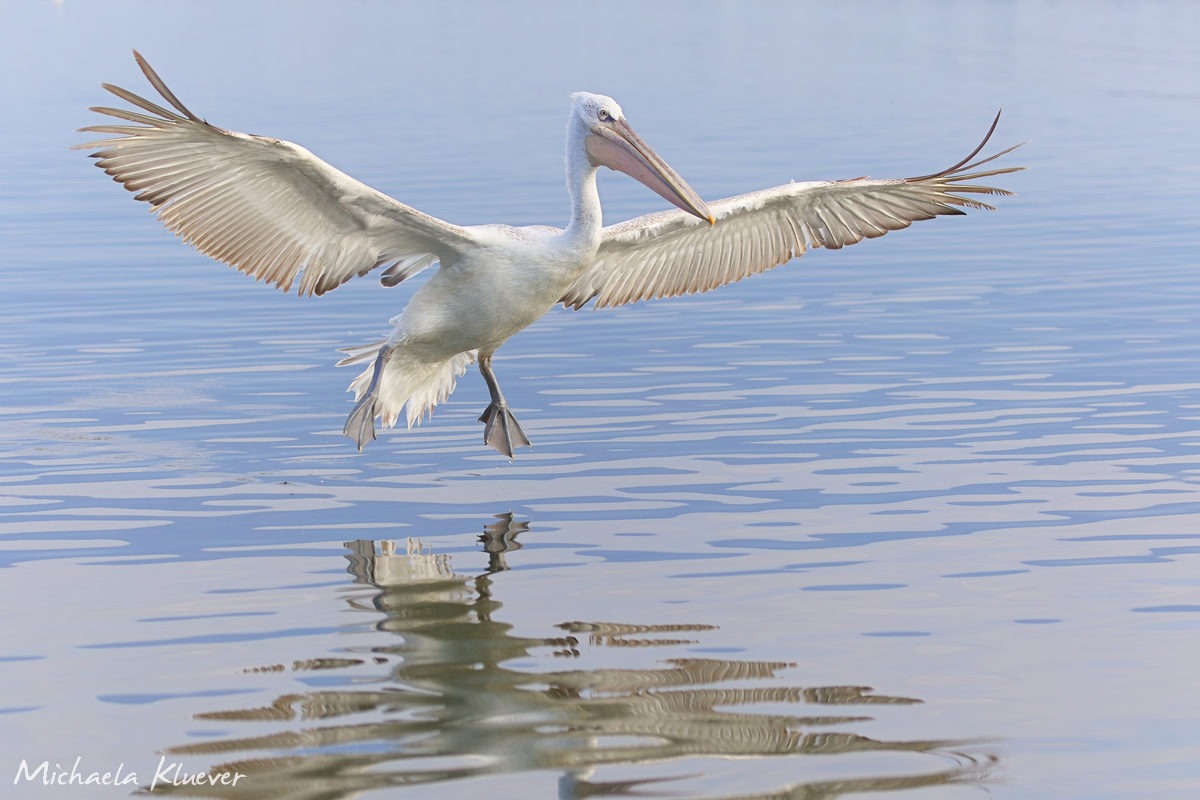
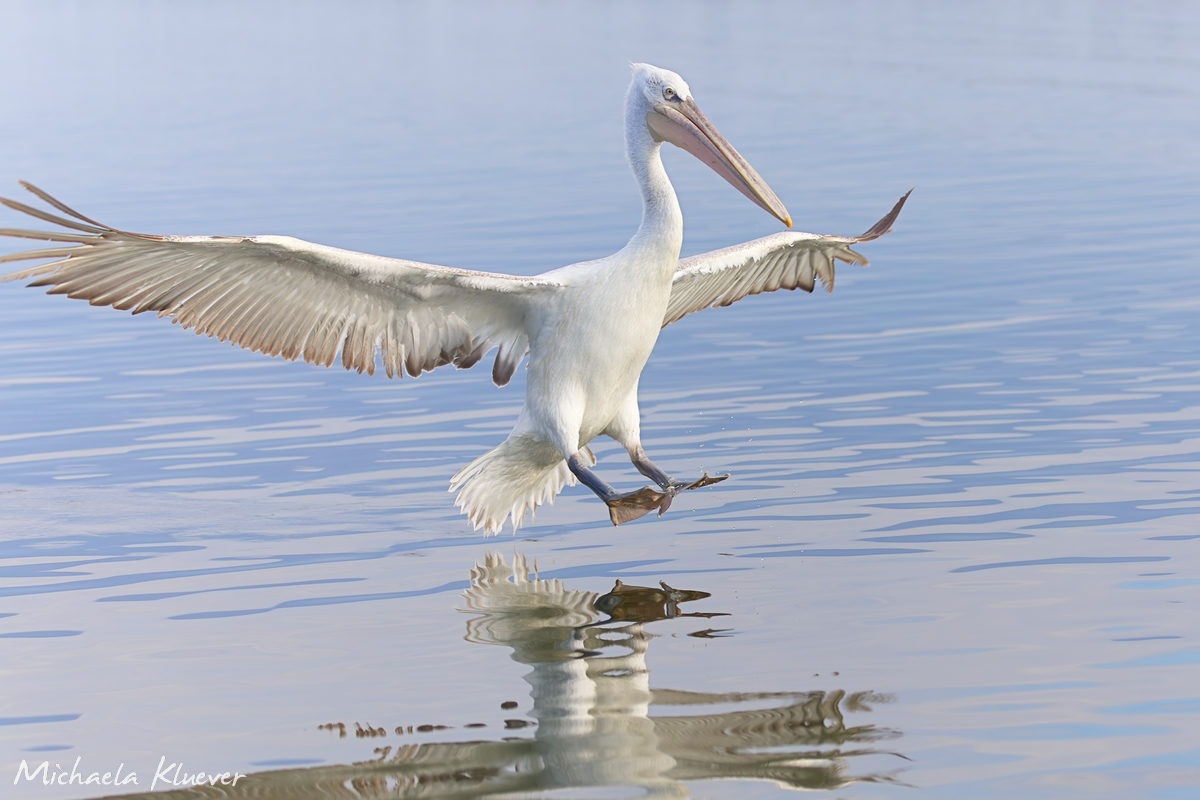
When the fishermen empty their nets, they are quickly visited by pelicans. The approach and landing scenes always offer fantastic, dynamic photo opportunities. Dalmatian pelicans grow to be 160-180 cm tall, with a wingspan of 310-345 cm. Their dark grey feet are extended forward to initiate the landing. With a body weight of 10-13 kg, this is an impressive szene. Sometimes the birds appear to take a few steps on the water before their flight slows down.
If a fish doesn’t fit when the nets are emptied, the fisherman throws it back into the water. That’s when the entire flock of pelicans gathered around the boat tries to grab it. A great commotion ensues, with beaks, wings, and splashing water droplets. If the action is happening in the front row, it can be narrowed down to two or three individuals in the photoframe. The wide shot, however, as a busy, chaotic scene, didn’t really appeal to me.
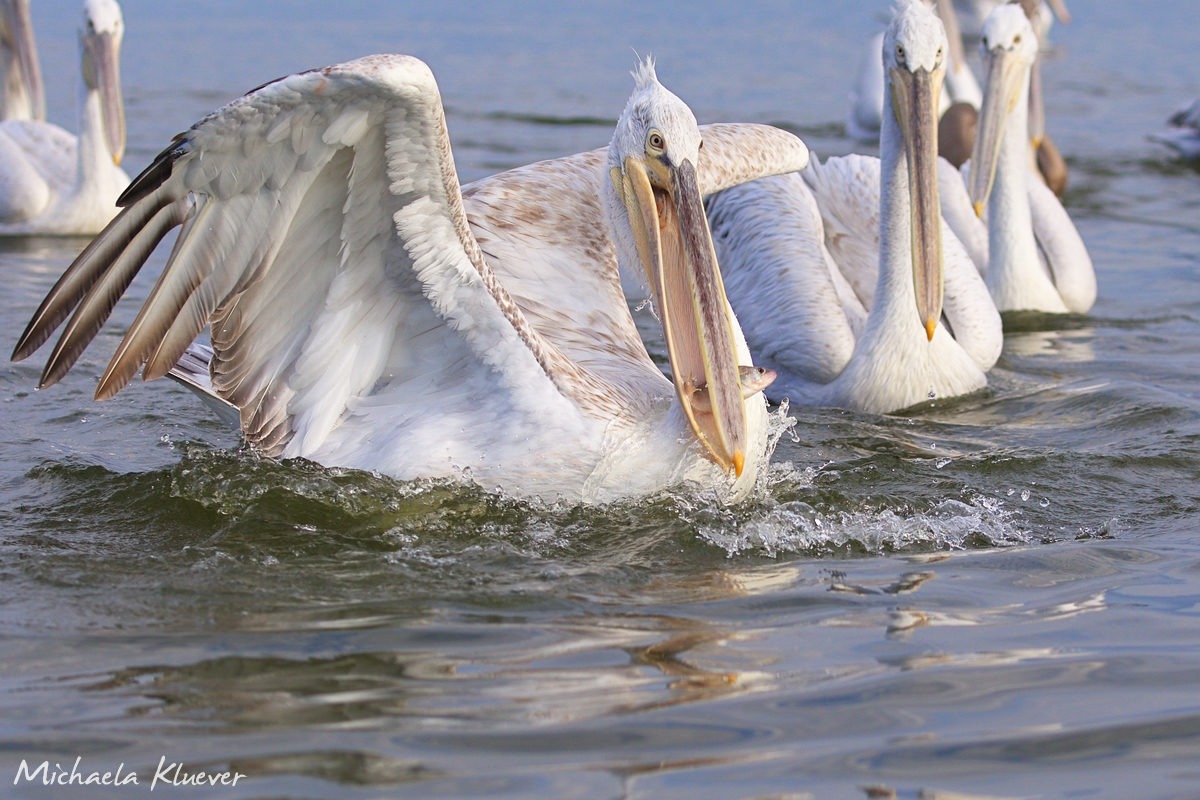
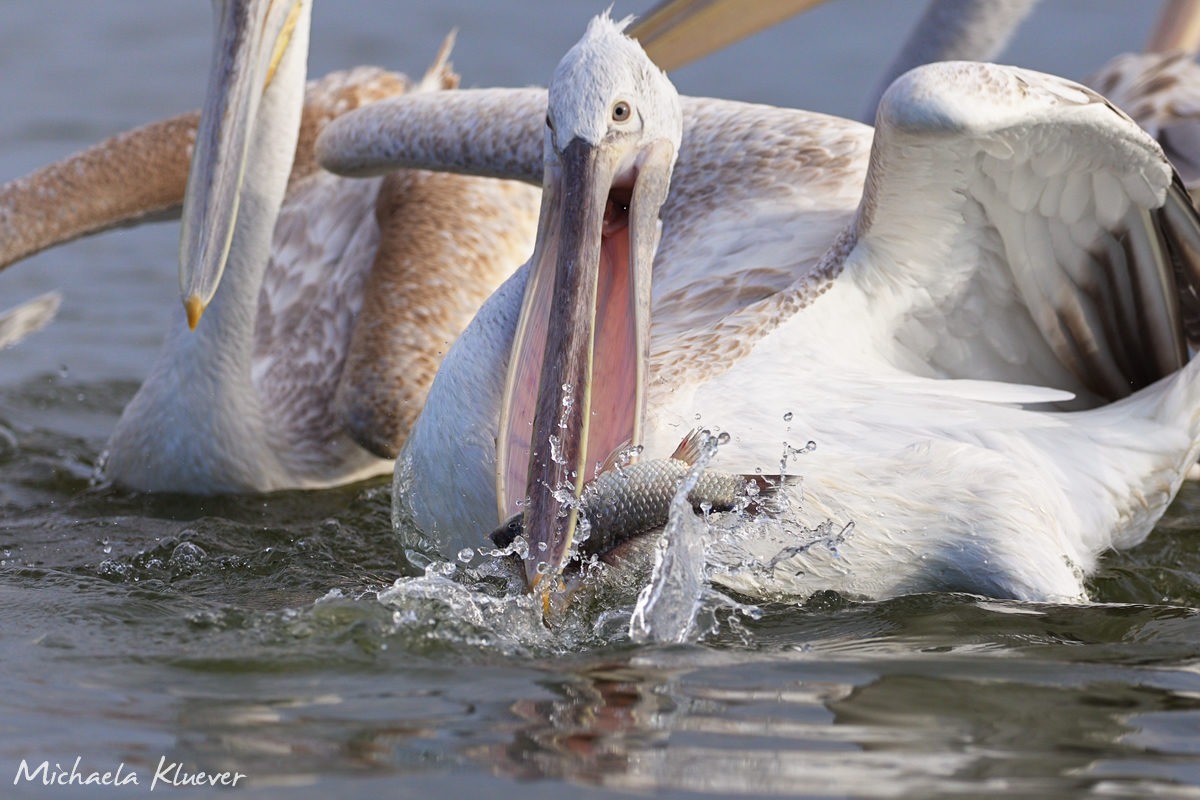
So, the pelicans have joined humans (the fishermen), to whom the photographer, in turn, has joined as another follower. Is that bizarre or pragmatic? It doesn’t matter, I decide, and gladly take the opportunity to get close-up shots.
The beak of a Dalmatian pelican measures 37-45 cm. The orange-yellow throat pouch is very elastic. It can hold 3 gallons of water. In the image below left, this can be recognised in the pattern, which is reminiscent of crochet or knitting.
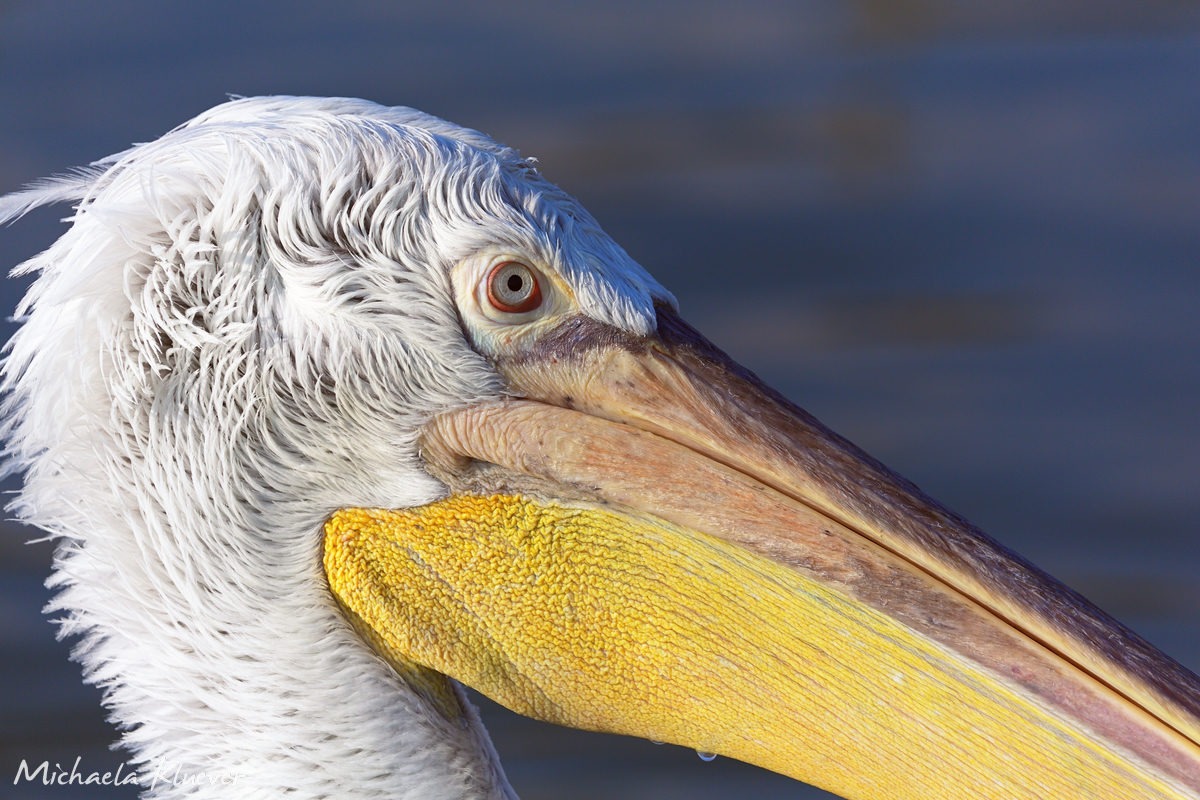
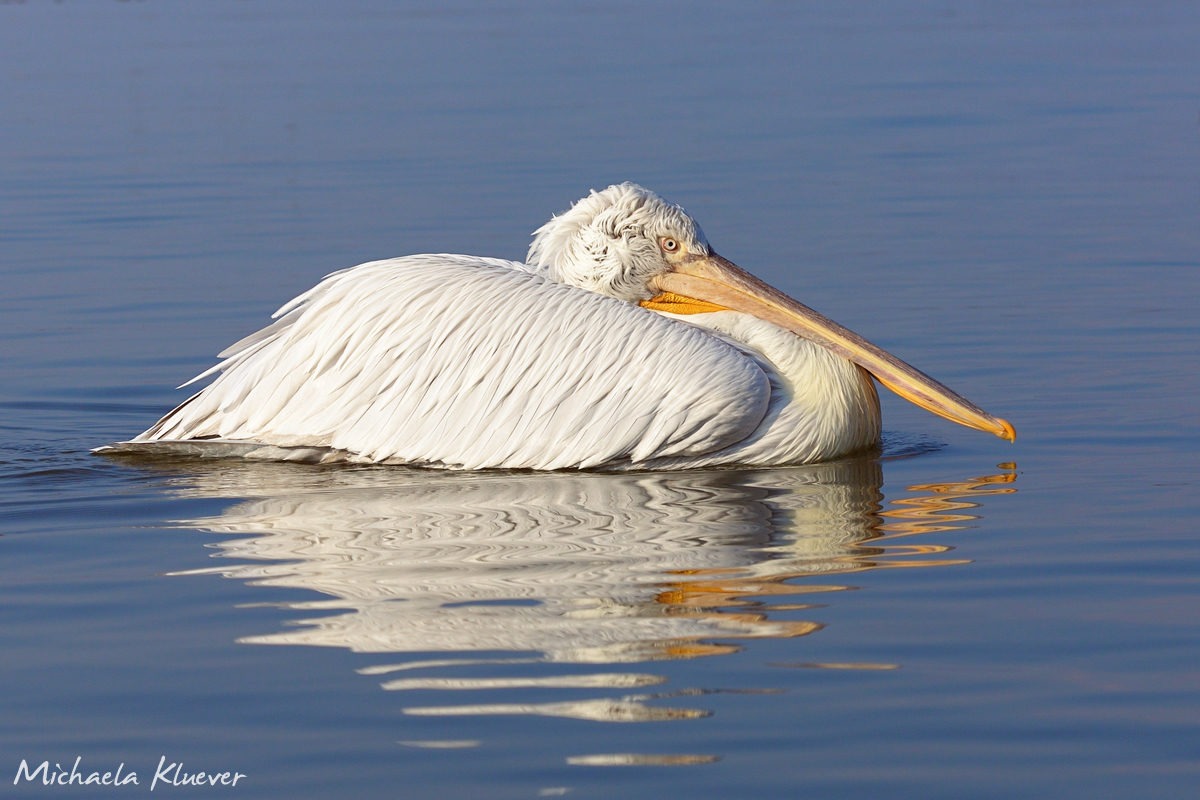
The upper beak ends at the tip with an orange button with a hook. This closes the throat pouch, but can also be used to pinch the opponent, scratch the back, and preen feathers.
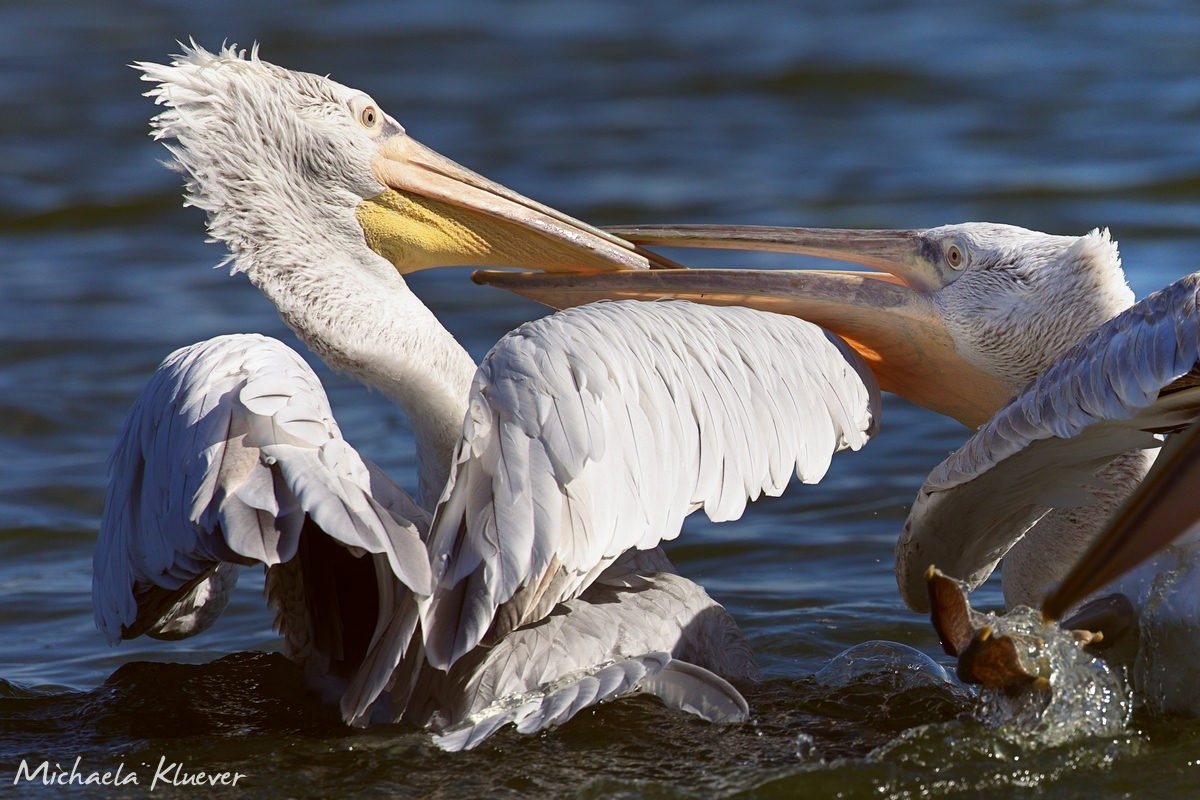
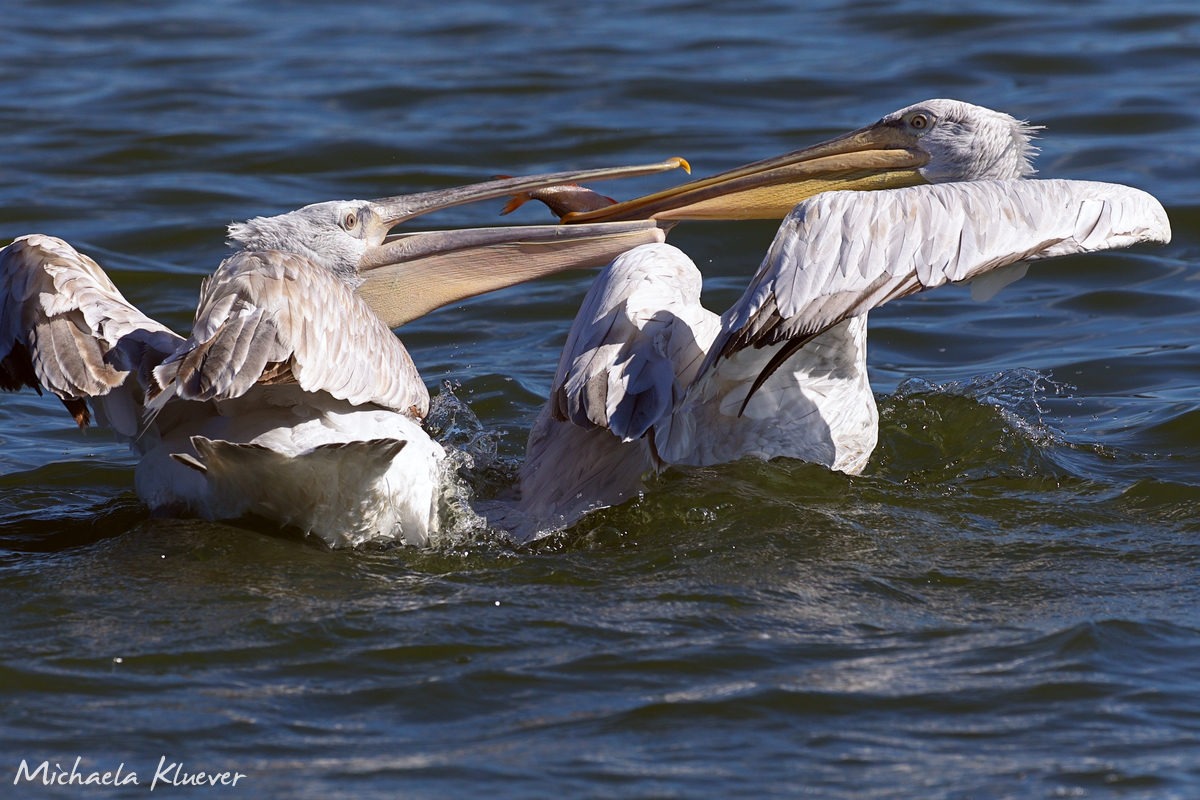
When hunting for prey, things get anything but gentle. Pushing or shoving rivals is only the milder part. I found it quite extreme that the fight for the fish goes so far as to involve grabbing into a rival’s throat pouch. In these confrontations, the beak is used as a predatory tool. In some of these scenes of fish-stealing, I was reminded of crossed swords.
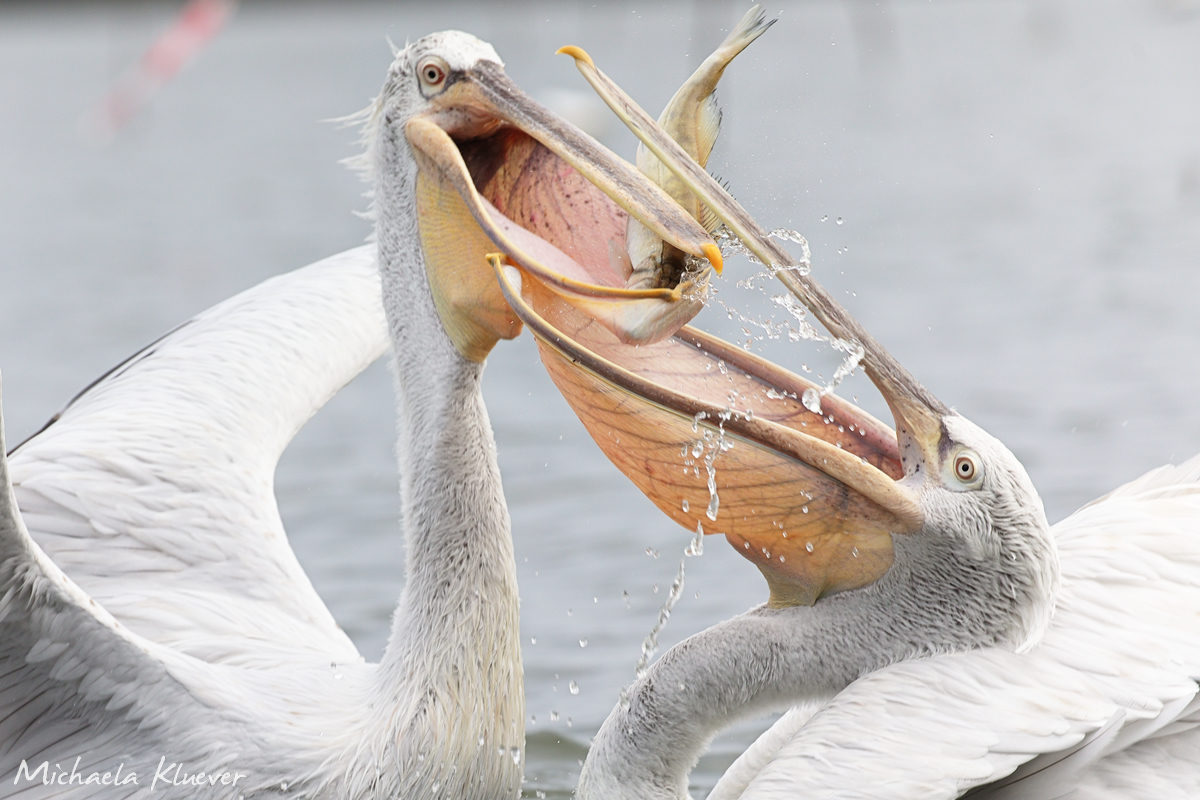
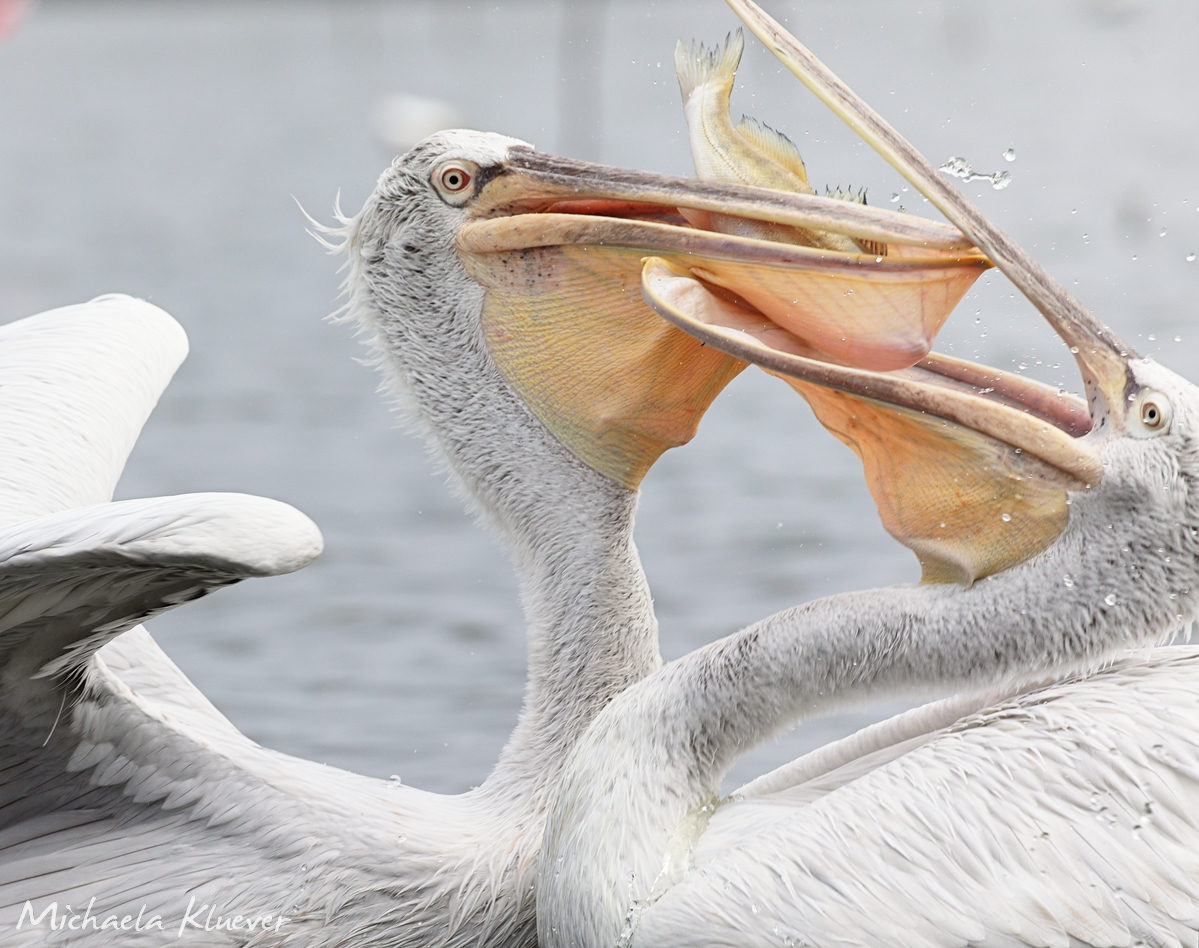
With its expandable throat pouch, the pelican’s beak makes an excellent fishing tool. In the photo below, the fish is clearly visible in the throat pouch, backlit slightly. This made me wonder how the pelican manages to swallow fish much thicker than its neck. Once, I observed its neck expand like a snake’s as the prey slid down.
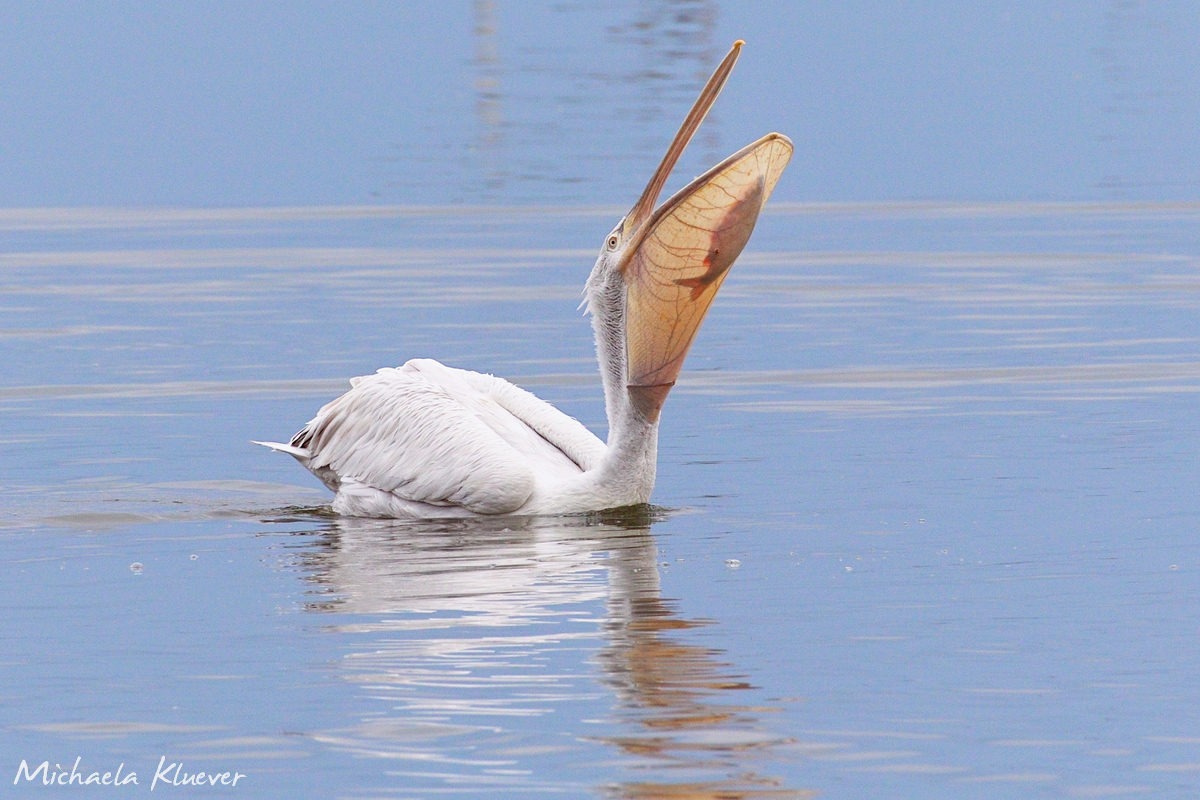
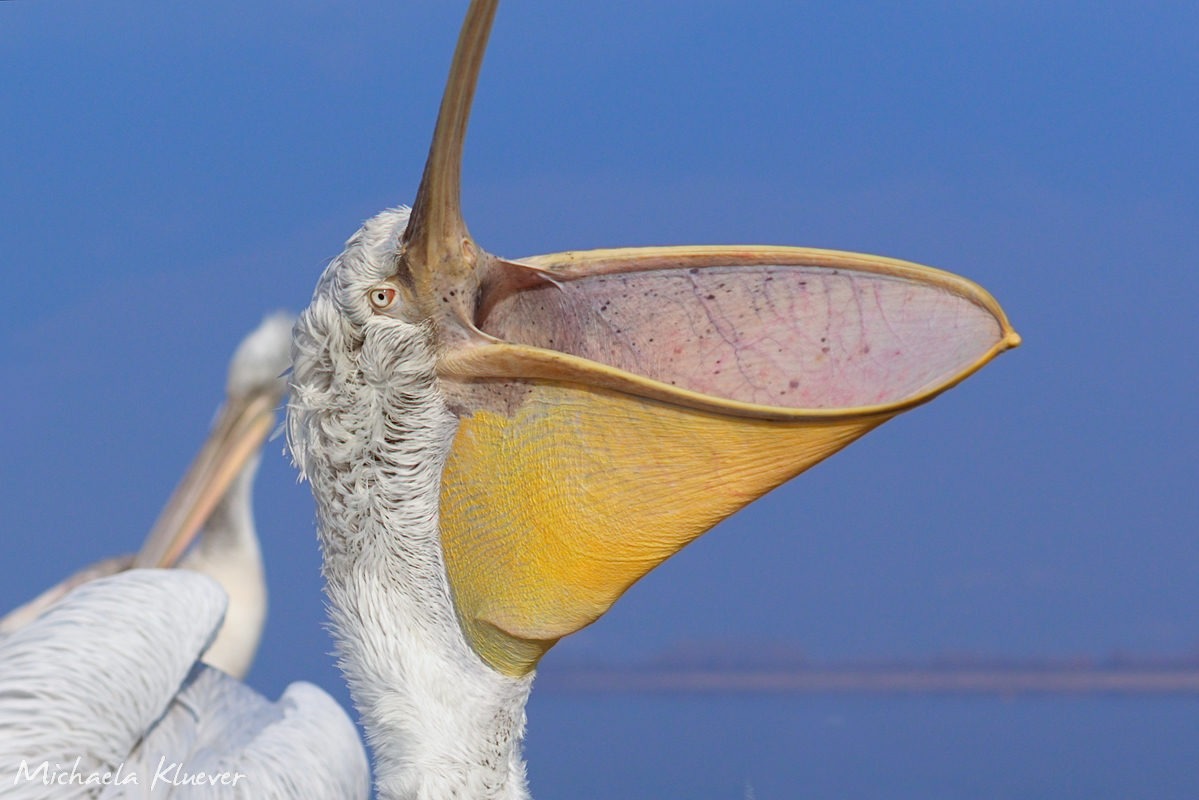
This marvel of horn and skin is no lightweight. When at rest or gliding, the animal therefore tilts its head back with its neck folded to support the weight.
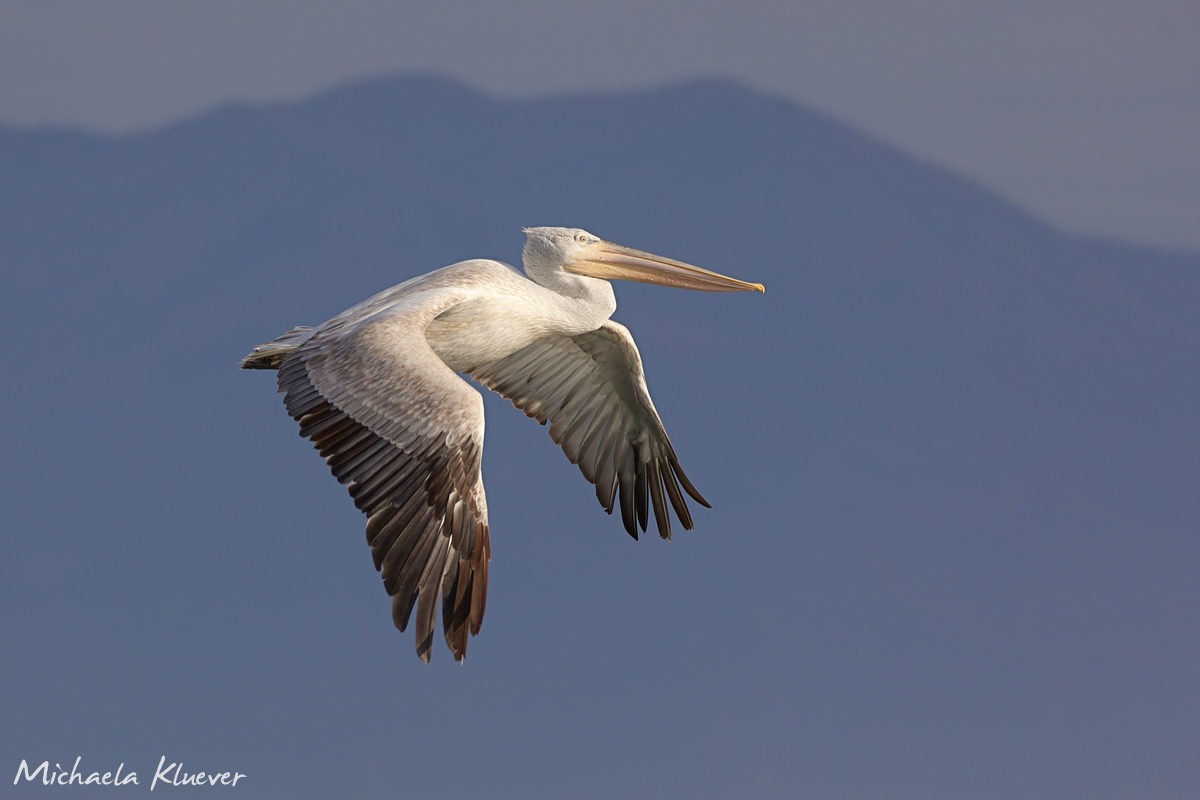
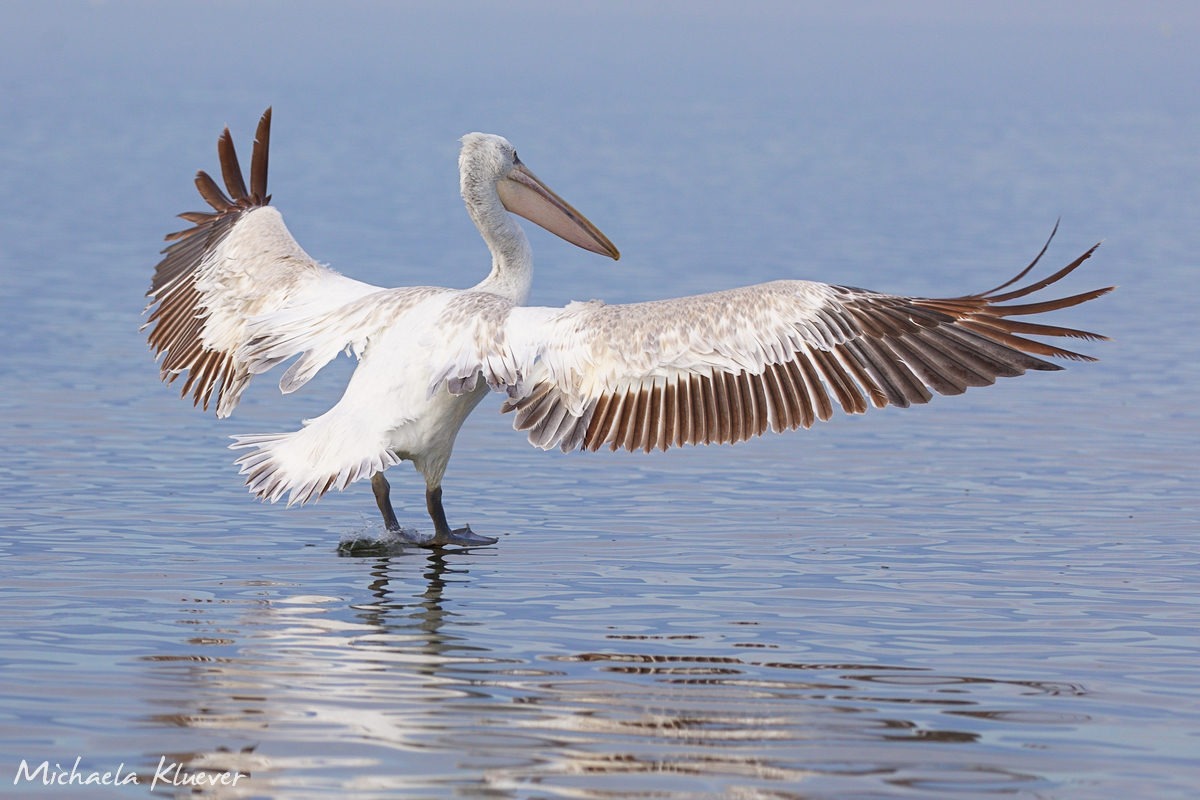
Here’s a gallery of photos from the pelican excursions. Images 1-7 and 8-11 show sequences of takeoffs and landings, followed by scenes of the beak and throat pouch in action. My favorites are numbers 6, 11, and 16. Which one do you like best? I’d love to hear your thoughts in the Comments!
Click on a preview image for full-screen view.
Click on a photo to play Slideshow
Read/write Comments >>